Tips for Choosing the Right Puppy Class for Your New Furry Friend
Published on February 1, 2025

Why the Choice Matters
Not all puppy classes are created equal, and the wrong class can be just as counterproductive as no class at all. A poorly run session with overwhelming off-leash play, punitive correction methods, or an inexperienced instructor can leave a young puppy more anxious, more reactive, and harder to train than before it walked through the door. Conversely, a well-structured class taught by a qualified professional using positive reinforcement methods can set the stage for years of good behavior, confident socialization, and a strong owner-dog bond. Taking the time to evaluate your options before enrolling is one of the most important steps you can take as a new puppy owner.
Understand the Types of Classes Available
Puppy classes generally fall into three categories: obedience-focused, socialization-focused, and combination classes that incorporate both elements. Obedience classes concentrate on foundational commands (sit, down, stay, come, and loose-leash walking) and teach owners the mechanics of clear communication and timely reinforcement. Socialization classes prioritize controlled interaction between puppies, exposure to novel stimuli, and handling exercises that prepare the puppy for grooming, veterinary visits, and everyday life. Combination classes, which weave obedience instruction and supervised play into the same session, tend to offer the most comprehensive developmental experience.
Research from the University of Guelph found that while more than eighty percent of puppy classes teach basic commands like sit and down, only about seventy percent include puppy-to-puppy play, and fewer than half cover experiences like gradual noise exposure or exercises to prevent resource guarding. These gaps matter. A class that teaches commands but neglects socialization misses a critical piece of puppy development. Ideally, look for a program that balances structured training with supervised social interaction and exposure to varied stimuli: sounds, surfaces, objects, and different types of people.
Evaluate the Training Methods
Training methodology is the single most important factor in choosing a class. The scientific consensus in animal behavior strongly favors positive reinforcement-based methods, where desired behaviors are rewarded with treats, praise, or play, and unwanted behaviors are redirected or managed rather than punished. Dogs trained with positive methods develop an eagerness to learn, stronger bonds with their owners, and lower levels of fear and anxiety. Research published by the American Kennel Club found that owners who used punishment-based methods reported more fearful behavior in their puppies, while those who attended classes using positive reinforcement saw increased confidence and social comfort.
When evaluating a class, look for the use of food rewards, toys, and verbal praise as primary motivators. Avoid any program that relies on check chains, prong collars, electronic collars, physical corrections like leash jerking or scruff shaking, or verbal intimidation. These tools and techniques may suppress unwanted behavior in the short term, but they risk creating fear, anxiety, and aggression, the very problems training is meant to prevent. A good class environment should feel calm, encouraging, and enjoyable for both the puppies and the people in the room.
Check the Instructor’s Qualifications
Dog training is an unregulated profession in most parts of the United States, which means anyone can advertise themselves as a trainer regardless of education or experience. This makes credential verification an essential step. Look for instructors who hold certifications from recognized professional organizations such as the Certification Council for Professional Dog Trainers, the International Association of Animal Behavior Consultants, or the Karen Pryor Academy. These certifications require documented education, practical experience, adherence to ethical standards, and in many cases ongoing continuing education.
Beyond formal credentials, experience with a range of breeds, temperaments, and behavioral challenges matters. An instructor who has worked extensively with puppies will recognize the difference between normal puppy exuberance and early signs of fear or anxiety, and will know how to adjust exercises to meet each puppy where it is developmentally. Ask potential instructors about their training philosophy, how they handle puppies that are struggling, and what continuing education they pursue. A confident, qualified trainer will welcome these questions.
Observe a Class Before Enrolling
Most reputable trainers will allow prospective clients to observe a session before committing. This is the most reliable way to evaluate whether a class is the right fit. Leave your puppy at home for this visit so you can watch objectively without distraction. During your observation, pay attention to several key indicators.
The atmosphere should be calm and organized, not chaotic. Puppies should appear relaxed, engaged, and willing to work, not cowering, freezing, or straining at their leashes. The instructor should divide attention evenly among participants, not just focusing on the star performers while ignoring those who are struggling. Off-leash play, if included, should be carefully supervised with appropriate matching by size and temperament, and the instructor should intervene if play becomes too rough or one puppy appears overwhelmed. The humans in the room should look engaged and supported, not confused, frustrated, or embarrassed.
If the class does not allow observation, consider that a warning sign. Transparency about methods and environment is a hallmark of a well-run program.
Consider Class Size and Structure
Smaller classes generally produce better outcomes for puppies. A maximum of six to eight puppies per instructor is a common recommendation, as it allows for individual attention, safer off-leash interactions, and more meaningful feedback for each owner. Larger classes can work if additional assistants are present, but overcrowded sessions increase the risk of negative experiences: an overwhelmed puppy that gets bowled over during play, or an owner who cannot get help when their puppy disengages.
Age grouping is equally important. Puppies under sixteen to twenty weeks should be in separate classes from adolescent or adult dogs. The size, energy, and social sophistication differences between a ten-week-old puppy and a seven-month-old adolescent are substantial, and mixing them creates an uneven dynamic that disadvantages the younger animals. Ask how the program separates age groups and whether there is a clear progression from beginner to intermediate levels.
Ask About Curriculum and Progression
A good puppy class should cover more than just basic commands. In addition to sit, down, stay, and recall, the curriculum should include handling exercises that prepare the puppy for grooming and veterinary visits, exposure to common household sounds and objects, exercises that build impulse control and frustration tolerance, and guidance on common puppy challenges like mouthing, house training, and crate acclimation. The class should also educate owners on canine body language, developmental stages, and realistic expectations for behavior at different ages.
Ask whether the program offers a clear path beyond the initial course. Many training schools provide a progression from puppy basics through intermediate and advanced obedience, and some offer specialty tracks in agility, rally, canine good citizen certification, or therapy dog preparation. Having access to continued education under the same training philosophy ensures consistency and gives both owner and dog a long-term development pathway.
Practical Considerations
Location, schedule, and cost all play a role in choosing a class, but they should not be the primary decision drivers. A convenient class that uses outdated or harmful methods is worse than a slightly less convenient one that follows evidence-based practices. Proximity matters for consistency, since a class that requires a long drive can lead to missed sessions, which undermines progress. Most puppy classes meet once per week for six to eight weeks and cost between one hundred and three hundred dollars for the full course. Some facilities offer trial sessions or allow attendance at the first class free of charge, which provides a low-risk way to test the fit.
Verify that the facility itself is clean, well-maintained, and appropriate for the activity. Indoor spaces with non-slip flooring are preferable, as they provide a controlled environment free from weather disruptions, off-leash dogs, and disease exposure risks associated with outdoor public spaces. Ensure the program requires proof of age-appropriate vaccinations before enrollment. This protects all puppies in the class from preventable illness.
Further reading (sources)
- American Kennel Club on whether puppy training classes are necessary for socialization
- American Kennel Club for picking a dog training class for your puppy
- Preventive Vet on choosing the right puppy class
- Puppy School UK with advice on finding a good puppy training class
- K9 Training Institute on how to choose a puppy training class
- Trupanion for tips on picking a puppy class
- Proven K9 Training on choosing the right group class for your dog
- Animal Humane Society with guidance on which training class fits your dog
- Service Dog Training School for a guide to choosing the right puppy program
- Swan Family Dog Training on long-tail benefits of puppy socialization classes
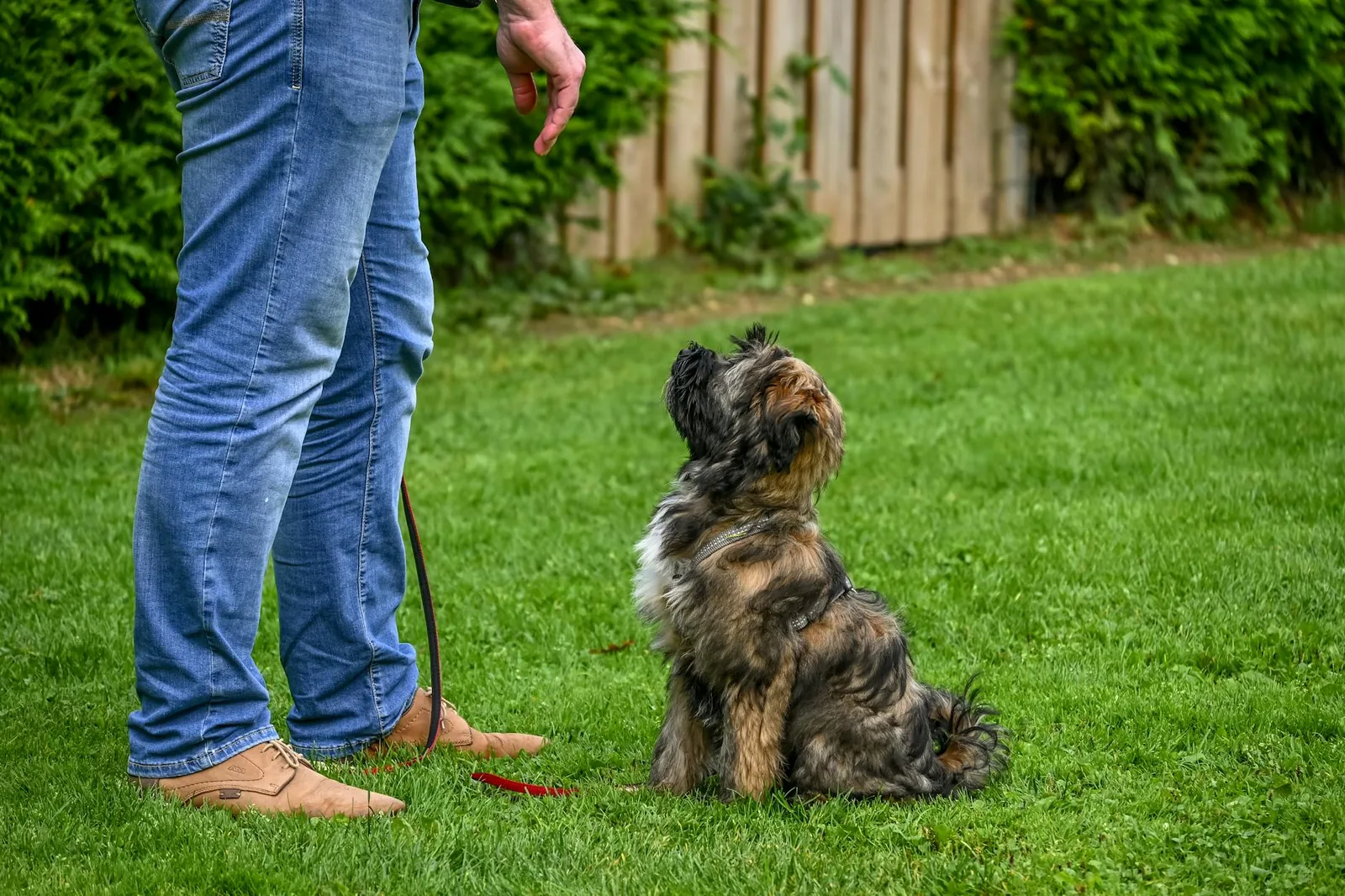
Feature photo by NaNa Photography on Pexels.