Finding What Actually Motivates Your Puppy: A Preference Assessment Guide for Class
Published on May 11, 2026
“My Dog Won’t Take the Treat”
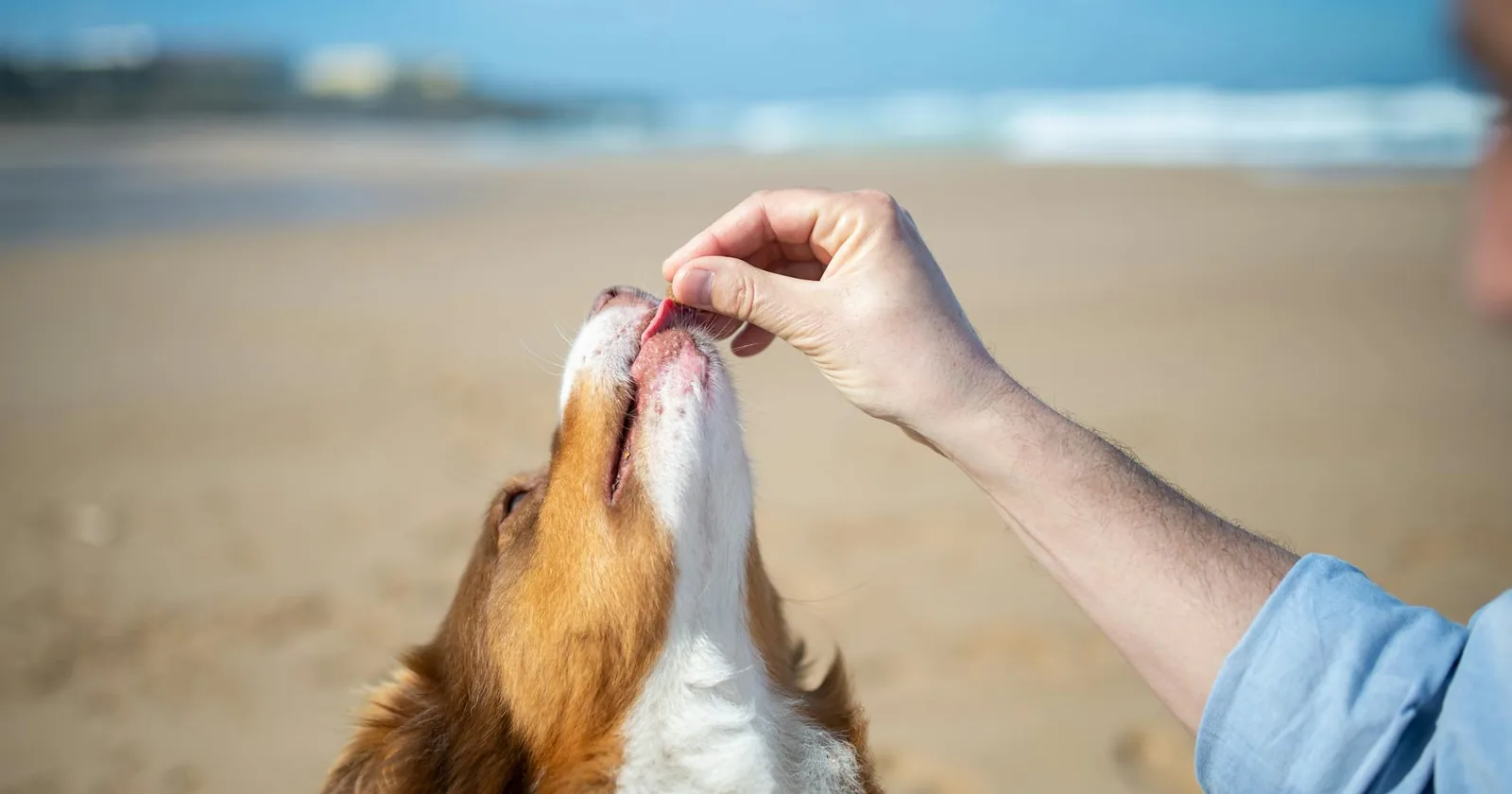
Every trainer hears it, usually around week three. An owner stands in the middle of class, kibble in hand, and the puppy will not look at it. At home the same puppy mugs the treat pouch like it has not eaten in a week. In class, surrounded by other puppies, new smells, and a slippery floor, that piece of kibble suddenly looks worthless.
The reflex is to assume the puppy is stubborn, distracted, or “not food motivated.” Usually none of that is true. What has actually happened is an economics problem. The puppy is being asked to pay attention, hold a sit, or recover from a startle, and the wage on offer (a dry pellet it gets free from a bowl every day) does not cover the cost of doing that work in a hard environment. Raise the wage and the behavior comes back.
The trouble is that “high value” is not a fixed list. One puppy would trade anything for a sliver of chicken; another spits chicken out and lights up for a tennis ball; a third works hardest for ten seconds of squeaky-voiced praise and a chest scratch. If you want to know what motivates your puppy, you have to test it. Behavior science has a tidy way to do exactly that, and it scales down to your kitchen table in about ten minutes.
What the Research Calls a Preference Assessment
In applied behavior analysis, a preference assessment is a structured procedure for finding out which rewards an individual is most likely to work for. Instead of guessing, you present options under controlled conditions, watch which ones the subject chooses, and build a ranked list (a reinforcer hierarchy) from most to least preferred.
A 2023 study in the Journal of the Experimental Analysis of Behavior tested two of these procedures with dogs: a paired-stimulus assessment, where options are offered two at a time, and a multiple-stimulus-without-replacement assessment, where several options are offered at once and removed as the dog picks them. The researchers then checked whether the items the dogs preferred actually functioned as reinforcers, meaning they increased the behavior that produced them. Both methods lined up well with the reinforcer tests, but the paired-stimulus version was the most efficient at sorting out a clear winner. The practical takeaway for puppy owners: a short, deliberate taste-test predicts what will work in training, and you do not need a lab to run one.
It is worth saying plainly that this lives firmly inside force-free, positive-reinforcement training. You are not testing what pressures your puppy into compliance; you are testing what it happily moves toward. That is the only kind of motivation worth building a training plan on.
Why a Hierarchy Beats a Single “Best” Treat
Class is a graded series of challenges, and different challenges carry different price tags. Practicing a sit in your living room is cheap; the puppy will do it for kibble. Holding that sit while another puppy bounces past is more expensive. Coming when called away from a fascinating smell is pricier still. And counterconditioning a puppy to something it finds mildly worrying (the nail clippers, a man in a hat, the vacuum) is the most expensive job on the list, because you are trying to change how the puppy feels, not just what it does.
You match the reward to the cost. Everyday cues get everyday treats. Recall and proofing work get your puppy’s top two or three picks. Counterconditioning gets the best thing on the planet, delivered like it is raining steak. If you only ever carry one kind of treat, you are either overpaying for easy work (and dulling the value of your good stuff) or underpaying for hard work (and wondering why recall falls apart at the park). A ranked list lets you spend deliberately. It is the same logic behind why structured classes build a reliable communication system between you and your dog: clarity about what earns what.
The Ten-Minute Kitchen-Table Test
Pick a time when your puppy is a little hungry, not ravenous, not fresh off a full meal. Choose a quiet room with no other animals and few distractions. Sit on the floor. Gather five or six contenders, cut or portioned to the same small size so the puppy is choosing on quality, not quantity:
- A piece of its normal kibble
- A soft commercial training treat
- A pea-sized bit of cheese
- A shred of cooked plain chicken
- A crumb of something rich, like freeze-dried liver
- One non-food option: a favorite small toy, or five seconds of your most enthusiastic praise and petting
Keep each item in its own bowl or pocket so your hands do not smear the smells together. Have a notepad or your phone ready to jot results. That is the whole setup.
Running the Bracket: Paired-Stimulus
This is the version the research found most efficient, and it is genuinely fun. Treat it like a tournament.
- Hold two options, one in each closed fist, hands a comfortable distance apart and at the puppy’s level.
- Open both at the same moment. Note which one the puppy commits to first: sniffing, licking, eating, or grabbing.
- Let it have that one. Do not let it then snack from the other hand; close that fist.
- Reset, swap in a new pairing, and repeat until every item has gone head-to-head with every other item. With six contenders that is fifteen quick match-ups, done in a few minutes.
Tally a point each time an item wins. The order of points, most to least, is your puppy’s preference hierarchy for that day. Do not be surprised if the toy beats the chicken, or if praise lands dead last; you are collecting data, not confirming what you assumed.
The Faster Version: Multiple-Stimulus
If your puppy is squirmy, very young, or you are short on time, the multiple-stimulus-without-replacement method gets you a ranked list in a single pass.
- Line up four or five options in a row on the floor, evenly spaced, a little out of lunging reach until you say go.
- Release the puppy. Whatever it eats or grabs first is rank one.
- Remove the rest, re-space them so position does not bias the next pick, and release again. That choice is rank two.
- Continue until the line is empty. The order in which things disappeared is your hierarchy.
It is quicker but a little noisier than the bracket, because a puppy hovering over a row of food is excited and may grab the closest thing rather than the best thing. Re-spacing between rounds and running it twice helps. For most owners, the bracket gives the cleaner answer and the multiple-stimulus run is the speed option.
Turning Rankings Into a Training Toolkit
Now sort your results into three working tiers:
- Top tier (the puppy’s one or two favorites): reserve these. Recall away from distractions, the first reps of anything genuinely hard, vet-visit cooperation, and counterconditioning to noises, objects, or strangers.
- Middle tier: your class default. Loose-leash walking, sits and downs around mild distraction, settling on a mat while another puppy works.
- Bottom tier (often kibble): home practice, known cues in quiet rooms, and “free” reinforcement like scattering a few pieces to reset between reps.
If you have ever wondered what to look for in the trainer running your class, watch whether they coach owners to save their best rewards for the hardest moments rather than burning them on warm-ups. A good instructor treats reward selection as a real skill, not an afterthought.
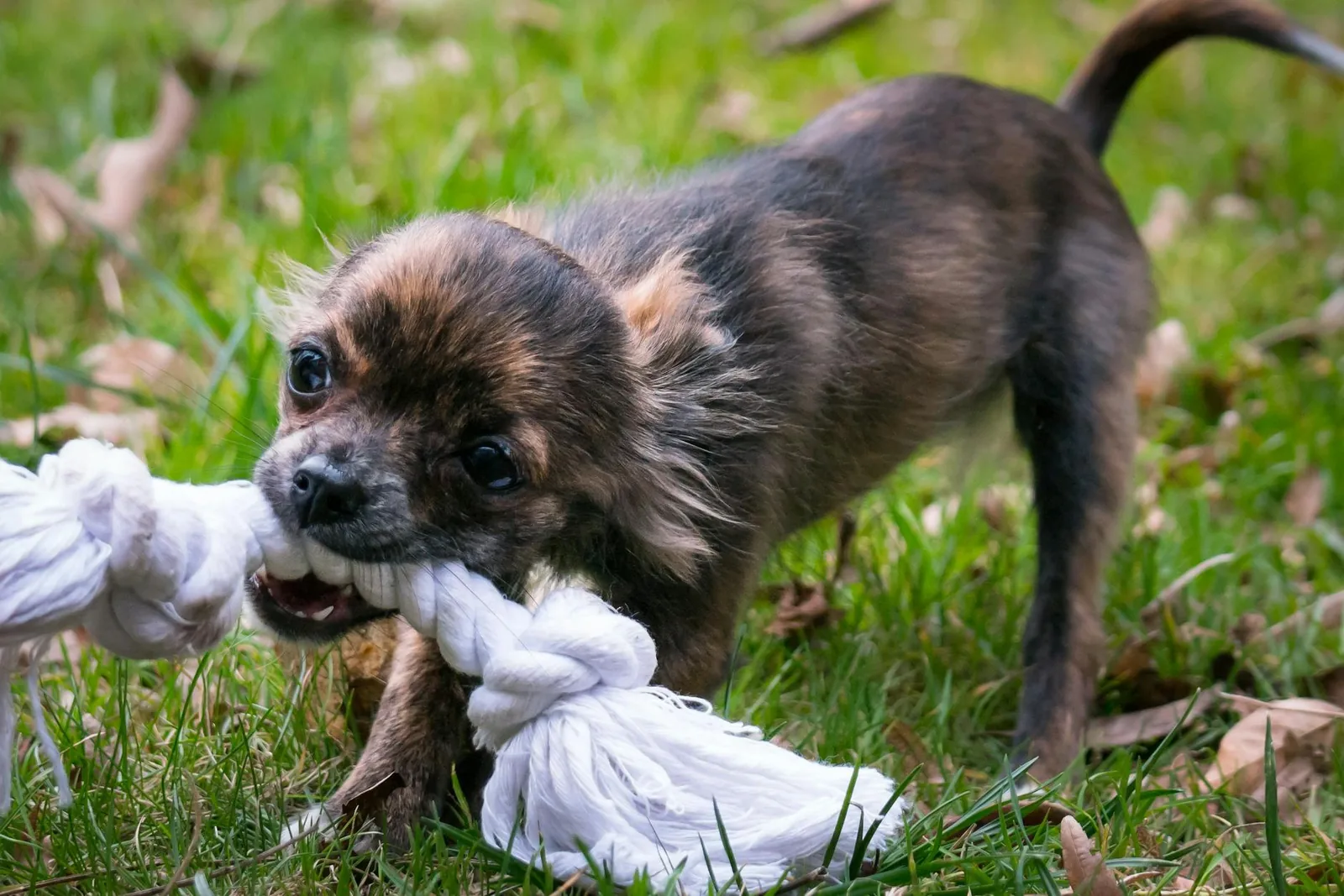
Do not retire the non-food options just because they ranked low today. A puppy that will tug is carrying a reward you can use outdoors, in the rain, or any time food is impractical, and praise that genuinely means something is the reinforcer you will always have on you. Plenty of strong working dogs are paid largely in play.
One more thing: preferences move. A treat that topped the chart in spring can slide by summer, especially as your puppy matures, as novelty wears off, or simply depending on how hungry it is that hour. Re-run the test every few weeks, and any time training mysteriously “stops working,” suspect the paycheck before you suspect the puppy.
When the Puppy Still Won’t Eat
If your puppy refuses every option even in a quiet room, that is information, not failure. Common culprits: it is too full (try before a meal, not after), the pieces are too big or crumbly to swallow quickly, or it is mildly stressed and its appetite has switched off. In a class setting, a puppy that ate happily at home but won’t eat in the room is usually telling you the environment is too much, too soon; the answer is more distance from the action, a quieter corner, or a few minutes of decompression, not a fancier treat.
Persistent refusal to eat anything, anywhere, especially paired with lethargy, drooling, or stomach upset, is a reason to call your veterinarian rather than your trainer. And if the “won’t eat” comes bundled with hiding, trembling, or growling in ordinary situations, that is fear rather than fussiness, and it is worth a referral to a certified veterinary behaviorist. For everyday training, though, the fix is almost always the cheerful one: find the thing your puppy loves, pay generously with it when the work is hard, and let the plain kibble cover the easy shifts.
Further reading (sources)
- Journal of the Experimental Analysis of Behavior on comparing paired- and multiple-stimulus preference assessments in dogs
- American Kennel Club for finding high-value treats your dog will work for
- Karen Pryor Clicker Training with building and using a reinforcer hierarchy
- Whole Dog Journal on helping a dog who won’t take treats in class
- Fear Free Happy Homes — matching reward value to the difficulty of the task
- Patricia McConnell for what “food motivated” actually means
- Preventive Vet with picking training treats puppies genuinely love
Feature photo by Kampus Production on Pexels.