Why Your Puppy Sleeps So Much: REM, Dreams, and Class Performance
Published on June 30, 2026
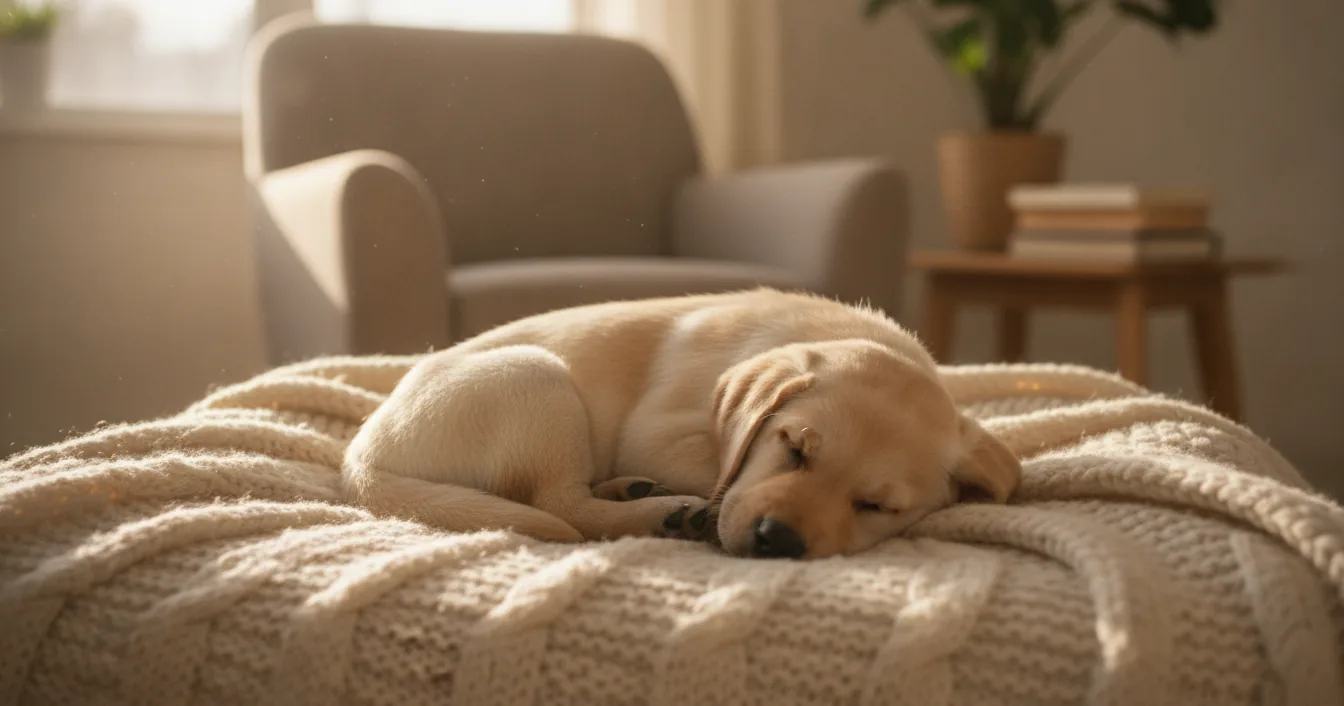
The Puppy Who “Won’t Focus” at Evening Class
It is the Wednesday seven o’clock class, and your puppy has come unglued. It cannot hold a sit for two seconds, it is biting the leash like it owes him money, and the treat that worked all weekend may as well be a pebble. The instructor is kind about it, but you drive home wondering whether you somehow got the one stubborn puppy in the group.
You almost certainly did not. What you probably have is a tired puppy. By seven in the evening an eight-week-old has been awake and over-stimulated for far longer than its young brain can manage, and the meltdown that looks like defiance is really a toddler unraveling past bedtime. The single most useful thing to understand about training a baby dog is that the learning does not happen only in class. A large share of it happens afterward, while the puppy is asleep.
Just How Much a Puppy Needs to Sleep
New owners are often startled by the sheer volume. A puppy of eight to twelve weeks sleeps roughly eighteen to twenty hours out of every twenty-four. That is not laziness and it is not a sign that something is wrong. It is the default setting for a body and brain growing at a furious pace. Sleep is when growth hormone is released, when the immune system does its housekeeping, and, as we are about to see, when the day’s lessons get filed away.
Awake time is short by design. Many young puppies can only manage about an hour, sometimes two, of being up and about before they need to go back down. Push past that window and you do not get a puppy who powers through. You get the overtired version, which behaves a lot like a wired, frantic, biting little tornado. As the puppy matures the total drops, settling toward the twelve to fourteen hours a day that a typical adult dog sleeps, but all through the socialization window your puppy is asleep more than it is awake.
Sleep Is Where the Lesson Sticks
Here is the part that should change how you think about class. When a dog sleeps, its brain is not idle. Researchers using EEGs, which record the brain’s electrical activity, have found that a sleeping dog’s brain wave patterns look almost identical to a sleeping human’s, including the vivid stage called REM (rapid eye movement) sleep. In people, REM is tied to processing emotion and consolidating memory, the work of moving an experience from “just happened” into “learned and kept.” The evidence increasingly says dogs are doing that same job in their sleep.
We can watch a version of it in the lab. Classic studies on rats showed that when a rat slept after running a maze, its brain replayed the very same firing pattern it produced while running, so precisely that researchers could tell where in the maze the dreaming rat was. Dogs have larger, more complex brains than rats, and little reason to do less. More to the point for puppy owners, a team of Hungarian researchers taught dogs a brand new command, then let some sleep and kept others awake. The sleepers performed the command noticeably better afterward. The nap was not time off from training. It was part of the training.
So the sequence that actually builds a trained dog goes like this: a short, successful session while the puppy is fresh, followed by sleep that locks it in. A brilliant forty-five-minute class followed by an overtired car ride and no rest does far less than a calm fifteen-minute session followed by a real nap.
The Twitching, Paddling, Dreaming Puppy
Watch your puppy in deep sleep and you will see the consolidation in action, or at least its outward signs. The paws paddle, the lip twitches, there are muffled woofs and whimpers, and behind closed lids the eyes flick back and forth. This is normal, healthy REM sleep, and it is one of the clearest windows we have into the canine mind.
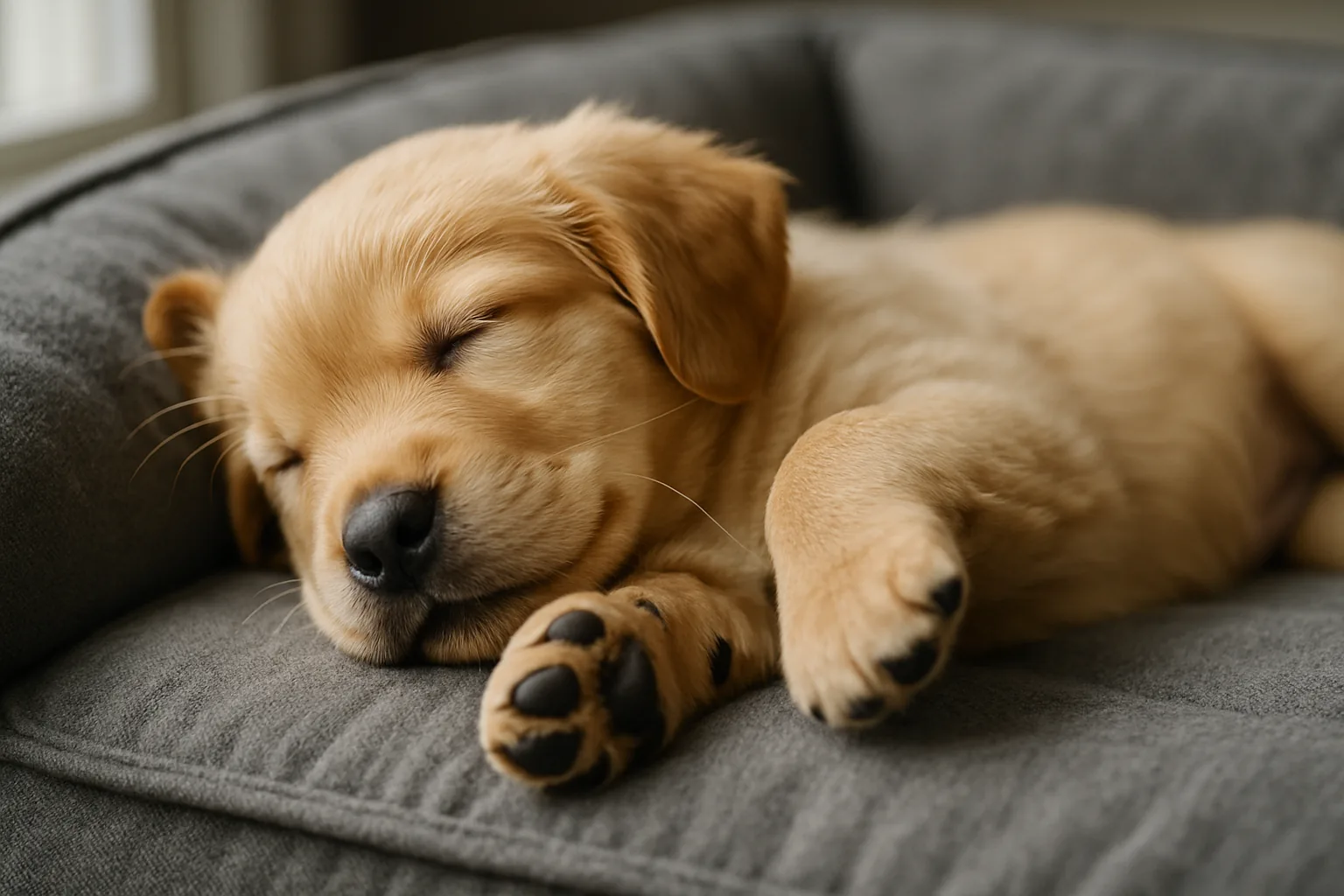
What is the puppy dreaming about? We cannot ask, but the best guess from the science is that dogs, like those rats, dream about their day. For a puppy the day is largely class, play, people, and above all smells, since so much of how a dog experiences the world runs through its nose. It is a fair bet that the puppy twitching on your kitchen floor is, in some fashion, re-running the recall you practiced an hour ago. The urge to wake a sleeper who looks distressed is understandable, but unless the puppy is clearly in real trouble it is better to let the dream finish its work. (One practical exception is worth teaching the whole household: let a sleeping puppy lie, because a startled, half-asleep puppy can snap before it is truly awake.)
How to Spot an Overtired Puppy
Because the overtired puppy is so often misread as hyper, bratty, or “dominant,” it is worth learning the signature. An overtired puppy tends to:
- Get faster and wilder rather than slower, the classic witching-hour zoomies.
- Bite harder and more frantically, often at hands, ankles, and the leash.
- Refuse food it would normally mug you for, which reads as stubbornness.
- Struggle to settle even when you can plainly see it is exhausted.
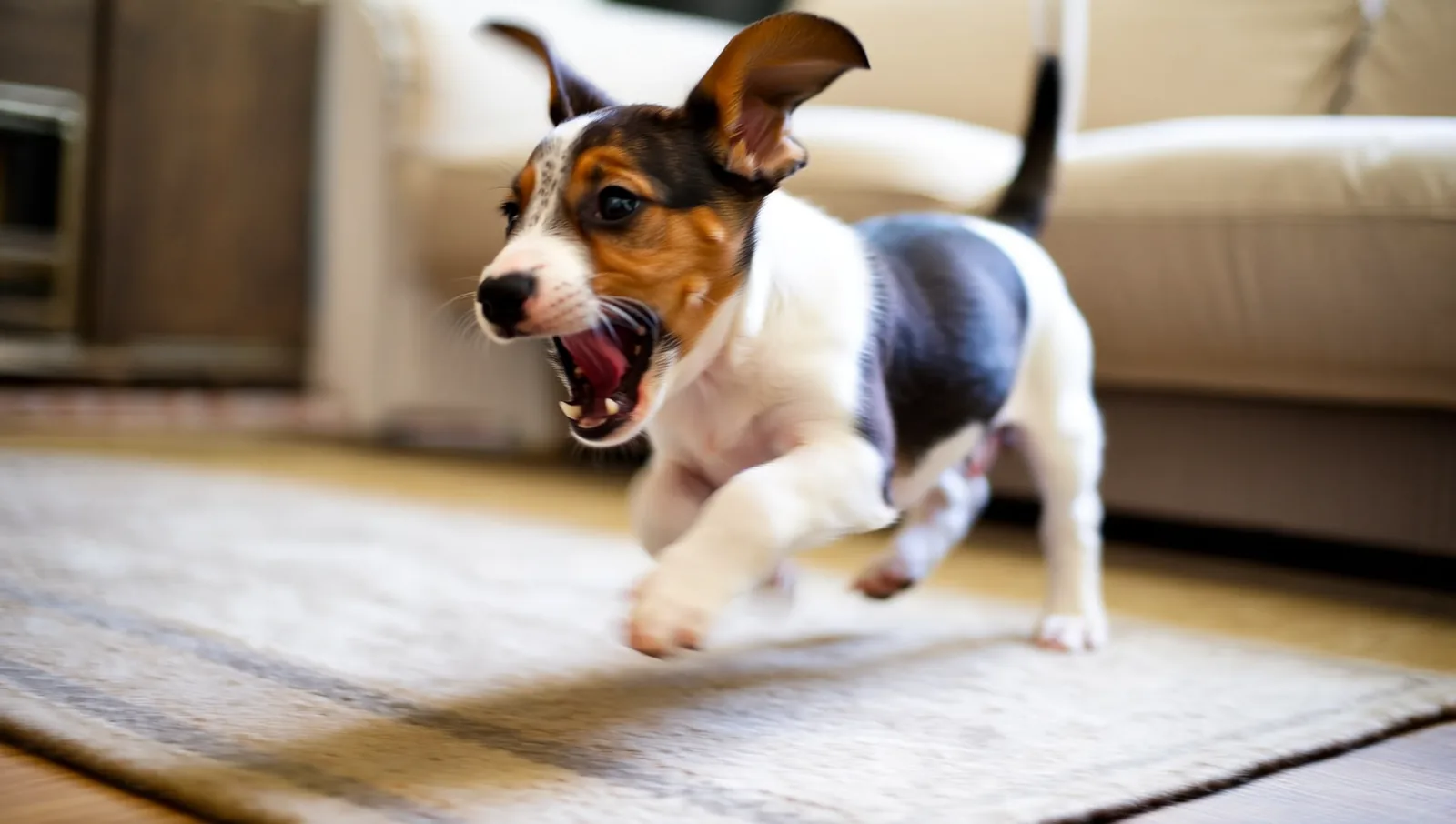
Every one of those shows up in an evening class, which is exactly why the late slot is the hardest one for a baby dog. If your puppy checks out in class, run through the tired checklist before you conclude you have a training problem. Telling an unfocused puppy apart from an overtired one is a core class skill in its own right, and it pairs closely with reading your puppy’s body language during class. A puppy that suddenly turns its nose up at treats is also worth a second look. Sometimes it needs a higher-value reward, but just as often it needs a nap.
Auditing Your Day So Class Lands in a Good Window
You cannot always choose your class time, but you can almost always shape the hours around it. The goal is simple: arrive with a puppy that has recently slept, and protect a real nap afterward so the lesson consolidates.
A few adjustments do most of the work:
- Schedule a nap before class, not a play session. A puppy that has been wrestling with the kids for an hour and is then loaded into the car arrives already depleted. A puppy that wakes from a nap, potties, and travels arrives ready to work.
- Keep the pre-class hours calm. Resist the urge to tire the puppy out beforehand. Tired and overtired are not the same state, and the second one quietly sabotages class.
- Build in a hard reset afterward. Crate or pen time with something to chew lets the nervous system come down and gives REM sleep its opening. This is where the crate comfort you have been building earns its keep.
- Cap total awake stretches at roughly an hour or two for the youngest puppies, class included. If class runs long, count it as one big awake block and plan the rest of the day around recovery.
If you are still choosing a class, the timing of the available slots is a fair thing to weigh. A mid-morning or early-afternoon class often gets a far better version of a young puppy than a seven o’clock one, and a good program understands why. (For more on what separates a strong program from a mediocre one, see the case for early, well-run puppy classes.)
When It Is More Than a Missed Nap
Most focus problems in class are ordinary tiredness and ease the moment you respect the puppy’s sleep needs. Occasionally sleep itself is the problem. Puppies under real, sustained stress can show disrupted sleep, and the research on canine trauma describes genuine sleep disturbances, and what look like nightmares, in dogs with difficult histories. If your puppy seems unable to settle at all, wakes in apparent panic night after night, sleeps far less than the ranges above, or is anxious and reactive while awake, that is worth a conversation with your veterinarian and possibly a referral to a board-certified veterinary behaviorist (a DACVB). Sleep is one of the first things to wobble when a young dog is not coping, so persistent sleep trouble is a signal to take seriously rather than train through.
For the everyday puppy, though, the takeaway is reassuring and a little counterintuitive. The most productive thing you can do for your puppy’s performance in class is not another drill. It is a nap. Protect the sleep, and the training takes care of a surprising amount of itself.
Further reading (sources)
- Whole Dog Journal on how science settled the question of whether dogs dream
- American Kennel Club for how many hours of sleep a growing puppy really needs
- Scientific Reports on the EEG evidence that sleep consolidates what a dog learns
- Scientific Reports for how sleep interacts with what a dog experienced while awake