Big-Box vs Independent vs Online Puppy Training: A Force-Free Buyer's Guide
Published on July 15, 2026

The Overwhelm Is Real, the Choice Is Not
Type “puppy classes near me” into a search bar and you get a wall of options that all promise the same friendly, well-behaved dog. Underneath the marketing, though, you are really choosing between four delivery models, and they are not interchangeable. A national retail chain, a franchise training studio, an independent trainer, and an online platform each buy your puppy something different for your money.
This guide judges all four on the five things that actually matter during the first few months: instructor quality, force-free fidelity, class size, real-dog socialization, and dollar value. One deadline overrides all of it, and we will get to that at the end.
The Four Models at a Glance
- Big-box chains like PetSmart and Petco run group classes on the floor of their retail stores.
- Franchise studios like Zoom Room teach in dedicated, purpose-built training gyms.
- Independent trainers work on their own, ranging from a solo certified professional to a full behavior practice.
- Online platforms like GoodPup, Pupford, and OneMind Dogs deliver coaching and courses through an app or a video call.
Big-Box Chains: Convenience and Reach
The great strength of PetSmart and Petco is that they are everywhere. A location sits in almost every town, enrollment takes minutes, schedules are flexible, and the price usually lands at the low end of the market. Both chains now market reward-based, positive-reinforcement curricula, which is a genuine improvement over the choke-chain era.
The trade-offs live in the details. Trainers are certified through each company’s in-house program rather than an independent body, so experience and skill vary a great deal from one store to the next. Classes tend to run larger, which means less individual coaching when your puppy checks out. The setting is a working retail floor, and that cuts both ways: the carts, strangers, and smells are excellent real-world distraction to train around, but the space is noisy and was never built for a nervous eight-week-old. A big-box class can be a solid, affordable start. Just meet the specific trainer first, because the brand name does not guarantee the person. For where the fees sit against other formats, see our puppy class pricing guide.
Franchise Studios: A Purpose-Built Middle Ground
Franchise studios such as Zoom Room split the difference between a chain and an independent. You get a standardized, positive-reinforcement-only curriculum backed by a national brand, delivered in a dedicated indoor space with proper flooring, agility equipment, and structured social hours. Class sizes are usually small, and the purpose-built room is calmer and cleaner than a store aisle.
Because these are franchises, the curriculum is consistent but the quality of any single location still rides on the local owner and their instructors. Availability is the other limit: there are far fewer studios than there are PetSmart stores, so this option simply does not exist in many towns. Pricing sits in the middle, often sold as class packs or a membership. For an owner who wants a controlled environment and a clear positive-methods promise, and who happens to live near one, a studio is an easy recommendation.

Independent Positive-Method Trainers: The Ceiling and the Risk
The best puppy class in most towns is run by an independent trainer, and so is the worst. This is the highest-ceiling model. A solo professional who holds a credential from the Certification Council for Professional Dog Trainers, the Karen Pryor Academy, or the International Association of Animal Behavior Consultants will usually give you the smallest class, the deepest knowledge, the most individualized help, and the strictest force-free fidelity of any option here.
The catch is that dog training is unregulated in most states, so this is also where quality varies the most. Anyone can hang out a shingle, and some trainers who advertise “balanced” methods still reach for prong or shock collars, the very tools a force-free class exists to avoid. You have to do the vetting yourself. Ask about certifications, ask to observe a class without your puppy, and watch for food, praise, and play rather than corrections. Our guide on choosing the right puppy class walks through those checks, and our piece on force-free alternatives to aversive tools shows what a positive approach looks like even for serious safety training. Owners usually find these trainers through veterinarian referrals, word of mouth, and the local “best trainers in town” roundups that circulate every year.
Online Platforms: Coaching Without the Playgroup
Online options are the cheapest and most convenient of all. GoodPup pairs you with an assigned trainer for weekly one-on-one video sessions, Pupford offers a self-paced course library and app, and OneMind Dogs runs a sport and agility-oriented online academy. Live-video formats in particular preserve something apps cannot: a real instructor watching your timing and correcting your mechanics in real time.
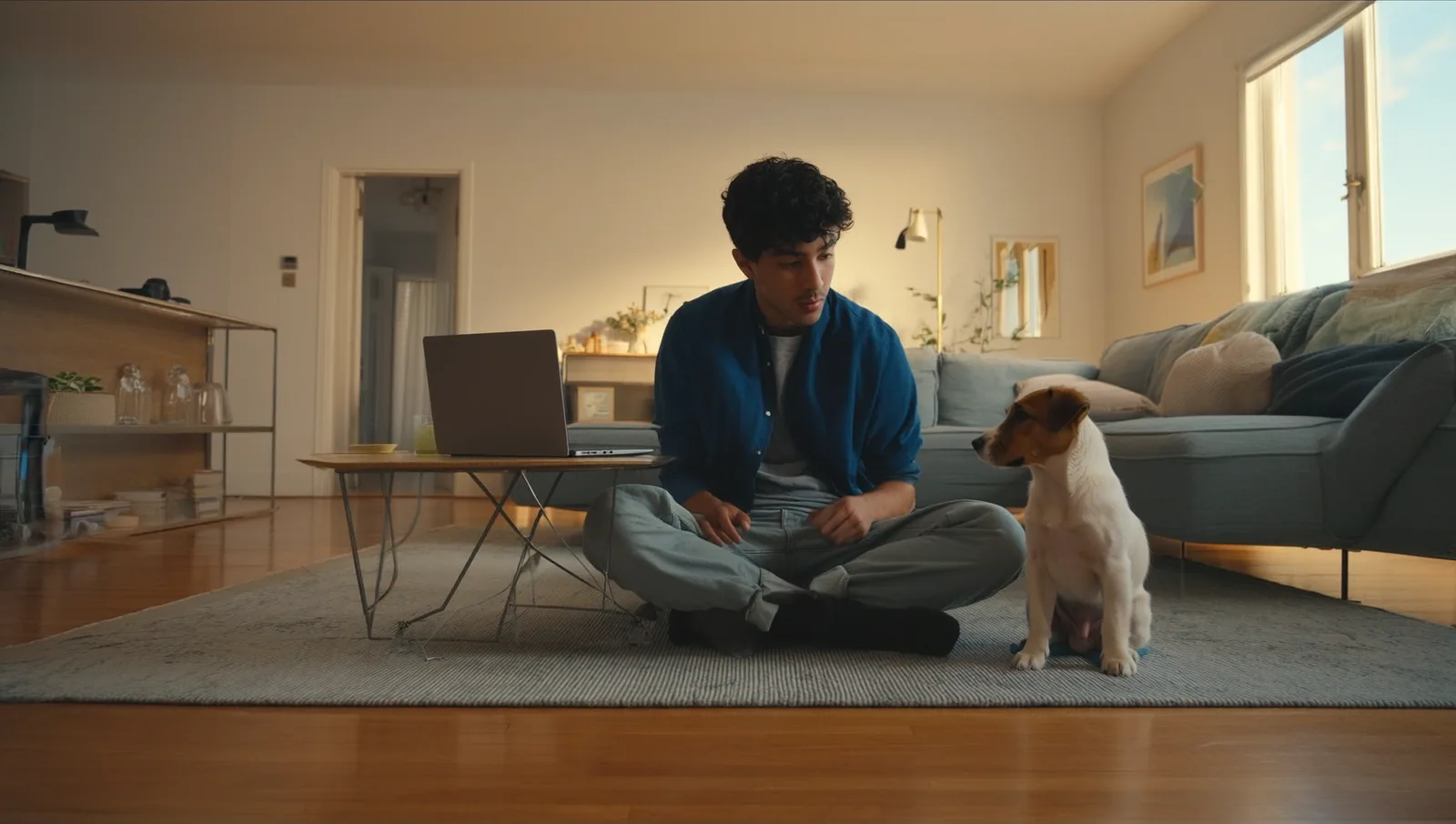
What no screen can deliver is the one thing a young puppy needs most from class. There is no supervised puppy-to-puppy play, no practice holding focus in a busy room, and no in-person read on your dog’s body language. That makes online training an excellent supplement, a lifeline for rural owners with no nearby class, and a reasonable budget bridge, but a poor substitute during the weeks that matter. We lay out exactly where apps help and where they fall short in training apps versus puppy class.
The Five-Axis Scorecard
| Model | Instructor quality | Force-free fidelity | Class size | Real-dog socialization | Value |
|---|---|---|---|---|---|
| Big-box chain | In-house trained, varies | Branded positive, verify | Often larger | Good, on a busy retail floor | Strong on a budget |
| Franchise studio | Standardized, owner-dependent | Usually positive-only | Small | Structured, purpose-built | Mid-range |
| Independent trainer | Highest ceiling when certified | Highest, but verify | Smallest | Excellent when well run | Varies, often premium |
| Online platform | Can be strong one-on-one | Depends on the platform | Virtual or none | Little to none | Cheapest |
How to Choose Your Model
For a typical healthy puppy, prioritize live socialization above everything else, which points to an independent trainer or a franchise studio first, with a big-box class as the affordable fallback when neither is nearby. If money is tight, a big-box group class plus a cheap online course for cue practice at home covers a lot of ground. If you live somewhere rural, live-video coaching plus deliberate real-world outings may be the most realistic plan. If your puppy is showing genuine fear or reactivity, skip the general marketplace and book a certified veterinary behaviorist. And if you have a specific sport in mind, a method-based online academy pairs well with a local class for the social side.
The Deadline That Beats Every Other Factor
Here is the rule that overrides the entire comparison. The socialization window between roughly eight and sixteen weeks of age closes whether or not your puppy has been in class, and it does not reopen. A very good class you can start this week is worth more than a perfect class with a three-week waitlist. Pick the best model you can actually enroll in on time, verify the trainer relies on positive reinforcement, and get your puppy in the room while the window is still open. The delivery model matters. The timing matters more.
Further reading (sources)
- Dogster on its 2026 test of PetSmart’s group dog-training classes
- Dogster for a pros-and-cons verdict on Petco’s positive dog training
- iHeartDogs via a certified trainer’s testing of online class platforms
- Certification Council for Professional Dog Trainers for how to vet a trainer in an unregulated industry
- Certification Council for Professional Dog Trainers with the directory of certified trainers and what each credential means
- American Veterinary Society of Animal Behavior on the position statement on humane, reward-based dog training